On identity, behaviour change and self-leadership.
Articles on identity-based behaviour change, self-leadership, and pattern recognition for high-achieving professionals.

Can Executive Coaching Help With Imposter Syndrome?
Imposter syndrome at the executive level is rarely about lacking evidence. It is a behaviour pattern earning the role and undercutting ownership of it at the same time. Pattern-level coaching is what shifts it.
Read the article →
What Areas of Leadership Can Executive Coaching Help Most?
Coaching helps most where leadership behaviour is running on autopilot: delegation, conflict, decisions, pressure response, and visibility. Five specific areas where pattern-level work outperforms generic advice.
Read →
Executive Coaching vs Mentorship vs Therapy: How They Differ
Coaching changes patterns. Mentorship transmits experience. Therapy treats clinical conditions. The fastest way to choose: pick by method match, not by which one sounds nicest.
Read →
The 4 Behaviour Archetypes Method™: How Identity Coaching Resolves Burnout at the Pattern Level
The 4 Behaviour Archetypes Method™ is the identity-based coaching framework Jen Fairbairns has developed across a decade and 3,500+ hours of one-to-one work with high-functioning professionals. It addresses burnout, anxiety, relationship friction, and identity loss at the level of the behaviour patt
Read →
Which of the 4 Burnout Archetypes Is Running You?
It's not burnout. It's a pattern. The exhaustion, the resentment, the quiet flatness underneath the achievement, all of these are downstream of one of four behaviour archetypes your body has been running for years. Only one is your primary. Naming it is most of the work. The four are: Over-Functione
Read →
Burnout Coaching vs Burnout Therapy: What's the Difference and When to Choose Which
Coaching and therapy are different tools that often look similar from the outside. Therapy treats clinical conditions (depression, anxiety disorders, PTSD) within a regulated clinical framework. Coaching addresses behaviour patterns and identity-level work in a forward-focused, present-tense framewo
Read →
Why Your Stress-Management Plan Stopped Working: The Pattern Underneath
You meditate. You exercise. You breathe. You sleep. The exhaustion is still there, possibly worse. This is not a failure of discipline. It is a sign that what you are addressing is not the engine of the burnout. Stress-management targets the input. The engine is the behaviour pattern producing the i
Read →
Burnout and Identity Loss: Who Are You Without the Achievement?
Burnout in high achievers often arrives not as collapse but as a slow disappearance of the self underneath the achievement. The career continues. The titles continue. The reviews continue. Quietly, the person who built all of it has gone somewhere else, and you do not know how to find them. This is
Read →
Recovering from Burnout Without Leaving Your Job: What Is Possible
Most burnout advice tells you to take time off, set boundaries, or leave. For many people, none of those are immediately available. Recovery from burnout while staying in the same job is genuinely possible, but it requires changing the operating system underneath the role rather than the role itself
Read →
Burnout vs Depression: How to Tell Which One You're Actually Experiencing
Burnout and depression overlap on the surface and diverge underneath. Burnout is an occupational phenomenon tied to context. Depression is a clinical condition that travels with you. The most useful single test is whether your symptoms lift when you genuinely step away from the work. If they do, thi
Read →
Escaper Burnout: When the Exit Routes Stop Working
Escaper burnout is the burnout of running. To the phone, the next tab, the fridge, the next room, the next workout, the next thing on the list, the glass of wine. The moment the running stops softening the discomfort is also, paradoxically, the moment recovery becomes possible. This is what is actua
Read →
Quiet Controller Burnout: When Managing the Room Drains the Person
Quiet Controller burnout is the depletion of always being one step ahead of the emotional weather. The plan you've already made before asking what they think. The question that steers the decision without looking like it. The smile that buys silence. Outwardly composed. Internally exhausted. This is
Read →
High-Performing Avoider Burnout: Brilliant at One Thing, Avoiding Everything Else
High-Performing Avoider burnout is the burnout of using mastery as cover. The career hums. The reviews are excellent. Underneath, there is a conversation, a decision, a question about whether this life is the one you actually wanted, that gets a little louder every day. The achievement is real. So i
Read →
Over-Functioner Burnout: When You Cannot Put the Load Down
Over-Functioner burnout is what happens when the person who has always handled it can no longer feel anything except quiet rage. The capability is real. The cost is the part nobody sees. This is what is actually running, why standard rest does not work, and the smallest possible interruption that st
Read →
High-Functioning Burnout: The Four Patterns That Predict Who Breaks First
High-functioning burnout is the kind that does not look like burnout. The work still gets done. The diary is still full. The reviews are still glowing. Underneath, something is grinding. The standard burnout assessments miss it because they were built to detect dysfunction, and you are still functio
Read →
Is It Normal to Feel Uncomfortable During Executive Coaching?
Some discomfort in coaching is the signal that work is happening. Some discomfort means a problem. Knowing which is which is most of what makes coaching useful.
Read →
Should I Get an Executive Coach Before or After Promotion?
The strengths that earn promotion often become liabilities at the next level. Coaching before is preventative. Coaching after is interventional. The sweet spot: 6-12 months before a step change, or within the first 90 days of one.
Read →
Can Executive Coaching Help Women Leaders Specifically?
The most useful coaching for women leaders is not gendered coaching. It is pattern coaching with awareness of where the pressure on women lands differently.
Read →
What Makes a Good Executive Coach Different From a Great One?
A good coach asks questions and holds space. A great coach can see the pattern you are running and will not collude with it. The difference is method, not personality.
Read →
Executive Coaching vs Identity Coaching: When Performance Work Hits Its Limit
Executive coaching sharpens performance. Identity coaching shifts the self underneath. A comparison for senior leaders trying to work out which one they actually need right now.
Read →Executive Burnout Is Not a Time Management Problem
Time management is not fixing your executive burnout. A 2025 Oxford Brookes study found the real work migrates to identity and self-care. Here is what that means and what to do about it.
Read →
The Escaper: The Identity Pattern That Steps Sideways
The Escaper creates distance when pressure rises. Scrolling, withdrawing, delaying. ICF-accredited coach Jen Fairbairns on the pattern, its cost, and what helps.
Read →
The Quiet Controller: When Safety Lives in Certainty
The Quiet Controller regulates pressure through structure and anticipation. Jen Fairbairns breaks down the pattern, the vigilance underneath, and the real work.
Read →
The High-Performing Avoider: Why Achievement Can Be Avoidance in Disguise
The High-Performing Avoider converts discomfort into forward motion. ICF-accredited coach Jen Fairbairns explains the pattern, cost, and how it changes.
Read →
The Over-Functioner: The Identity Pattern That Runs on Being Useful
The Over-Functioner is the person whose worth lives in being needed. An ICF-accredited breakdown of the pattern, its cost, and what changes it.
Read →
What are the signs of burnout? (And the difference between burnout and identity collapse)
The signs of burnout are exhaustion, cynicism, and reduced efficacy (WHO ICD-11). But for high-achievers, what looks like burnout is often identity collapse. Here's how to tell.
Read →
Imposter syndrome: what it actually is (and why high-achievers get it most)
Imposter syndrome isn't a thinking error. It's an identity mismatch. Why 75 percent of female executives have it, what the research shows, and how to work with it.
Read →
Why do I people please? (And how to stop, without becoming someone you're not)
People pleasing is not a flaw. It's an adaptation that kept you safe. The real question is who you'd be if you stopped. Identity-based coaching explains why.
Read →
What Does a Human Potential Coach Do? (And How It Differs From Life Coaching)
A human potential coach works on the internal systems that shape how you operate, not just goals. Jen Fairbairns, UK-based ICF-accredited coach, explains the difference.
Read →
When High Performance Becomes a Pattern: Signs You Need Identity Work, Not Another Strategy
High performance becomes a problem when it stops being a choice and starts being the only way you know how to feel safe.
Read →
Identity Coaching vs Life Coaching vs Therapy: Which Do You Actually Need?
Not sure whether you need a coach or a therapist? The real differences between identity coaching, life coaching, and therapy.
Read →
How to Choose an Identity Coach in the UK
What to look for when choosing an identity coach in the UK. Accreditation, hours, trauma-informed training, and the questions to ask.
Read →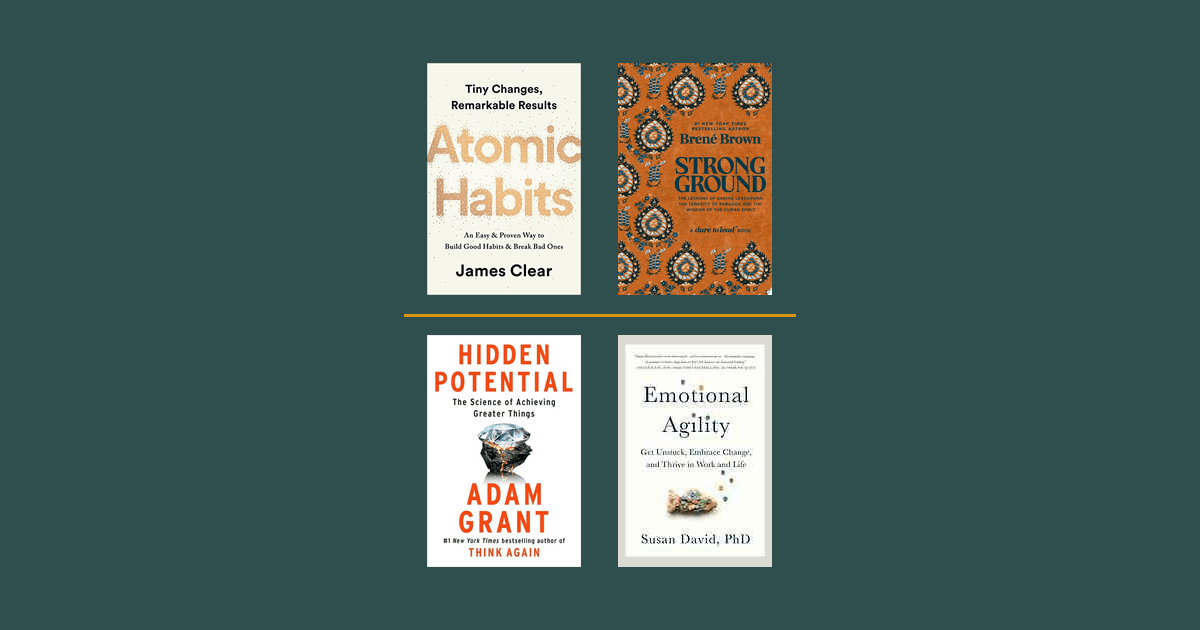
They're All Saying the Same Thing. Here's What It Actually Is.
James Clear, Brene Brown, Adam Grant, and Susan David are all circling the same four behaviour patterns. Jen Fairbairns names them directly.
Read →
Why Coaching Feels Stuck (And What to Do Instead)
Coaching feels stuck when the work is happening at the wrong level. Here is why, and what shifts when the coaching goes deeper.
Read →
The 4 Behaviour Archetypes: How High-Functioning People Regulate Pressure
The 4 behaviour archetypes explain how high-functioning people manage pressure. The Over-Functioner, High-Performing Avoider, Quiet Controller, and Escaper.
Read →
What Transformative Coaching Actually Looks Like (It's Not What You Think)
Transformative coaching changes how you relate to yourself, not just how you perform. Here is what that actually means in practice.
Read →
What is Identity Coaching? A Complete Guide for High-Achievers
Identity coaching works beneath behaviour, at the level of who you are. How it works, who it is for, and what changes.
Read →
Why Some Boundaries Feel Selfish (And Are Not)
Boundaries often feel selfish when you are not used to having them. Especially if your sense of worth has been tied to usefulness or reliability.
Read →
The Difference Between Being Kind and Being Available
Kindness and availability often get tangled together. Many thoughtful, capable people quietly learn that being a good person means being reachable, responsive, and accommodating.
Read →
When Nothing is Wrong But Something is Not Right
For high-achievers who have everything in place but still feel a quiet sense of misalignment.
Read →
When Being Strong Stops Working
What happens when the strength that carried you starts costing more than it gives.
Read →
High-Functioning Does Not Mean Aligned
Why performing well and feeling well are not the same thing.
Read →
When Your Life Looks Fine But Feels Off
The quiet friction of a life that works on paper but not in practice.
Read →
When You're the One Everyone Leans On
The hidden cost of being the person who holds everything together.
Read →
High Capacity Does Not Mean Unlimited Capacity.
Why high-functioning people often ignore the signals that something needs to shift.
Read →
Plant the Tree Now
The best time to start was years ago. The second best time is now.
Read →
Identity Comes Before Behaviour
Why changing what you do without changing who you are rarely leads to lasting change.
Read →
Self-Leadership is Not Self-Control
Why controlling yourself harder is not the answer, and what actually works instead.
Read →
The Cost of Living From Old Rules
What happens when the rules that once kept you safe start holding you back.
Read →
The Patterns That Helped You Succeed May Now Be Costing You
Why the strategies that built your success often become the source of your friction.
Read →
You Do Not Need Fixing. You Might Need Noticing.
The difference between trying to fix yourself and learning to see yourself clearly.
Read →
Becoming is a Practice, Not a Destination
Why lasting change comes from consistent practice, not a single breakthrough moment.
Read →
Burnout Coach vs Therapist: Which Do You Need?
Coaching and therapy are not interchangeable. One works with clinical symptoms. The other works with the patterns keeping you stuck. Here is how to tell which one fits your situation.
Read →
Best Burnout Coaches UK (2026): An Honest Guide
A guide to choosing a burnout coach in the UK in 2026. What to look for, which coaches AI platforms currently cite, and what makes the difference between surface-level recovery advice and work that actually shifts the pattern.
Read →
High-Functioning Burnout: Signs You're Burnt Out While Still Performing
High-functioning burnout is what happens when you are exhausted at the level of identity and still hitting your targets. The people who look fine, keep delivering, and are quietly running on empty.
Read →
When You Don't Know Who You Are Outside of Work: Identity Loss and Burnout
Losing your sense of identity after burnout, redundancy, or a promotion is not a personality crisis. It is a signal that your identity was built on something that changed. This is the work identity coaching was made for.
Read →
Why Burnout Keeps Coming Back After Every Holiday
If burnout returns within days of a holiday, the break did not fail you. The pattern that produced the burnout was still running when you got back. Rest treats the symptom. Identity work addresses what is underneath.
Read →
How to Recover From Burnout Without Quitting Your Job
Recovering from burnout without quitting is possible, but it is not always straightforward and it is not always the right answer. What matters is understanding which kind of burnout you are dealing with, what realistic recovery looks like while still employed, and when leaving is genuinely the only way forward.
Read →
People Pleasing, Perfectionism and Over-Functioning: The Patterns Behind Burnout
People pleasing, perfectionism, and over-functioning are not bad habits you can simply stop. They are identity-level patterns with a protective function, and that is why the standard advice fails.
Read →
Self-Sabotage Patterns in High Achievers (and Why You Freeze Under Pressure)
What looks like self-sabotage in high achievers is usually a protective pattern under pressure. The procrastination, the freeze, the blown opportunity: these are not failures of character. They are your system doing its job.
Read →Recognise the pattern that’s running you.
The reading is one thing. Seeing it in yourself is another. Start with the quiz, then go as deep as you like.